


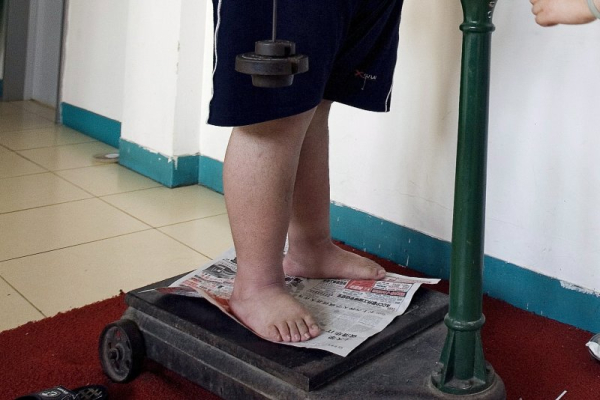
The prevalence of obese adults in the United States more than doubled between 1990 and 2022. File Photo Diego Azubel
The prevalence of obese adults in the United States more than doubled between 1990 and 2022 and is expected to increase over the next decade, an analysis of public health data released Wednesday indicates.
The study, published in the health journal JAMA, found that 107 million American adults — 42.5% of the adult population — were living with obesity. That was an increase from 34.7 million adults in 1990, or 19.3% of the adult population.
The figure is projected to increase to 126 million people, or 46.9% of the U.S. adult population, by 2035.
Breaking down the demographics for 2022, non-Hispanic adult white men had the lowest prevalence of obesity, 40.1%, while non-Hispanic adult Black women had the highest at 56.9%.
The largest increases in rates of obesity were seen in women between the ages of 30 and 34. Obesity in non-Hispanic Black women aged 25-29 increased from 26.1% in 1990 to 52.9% in 2022.
The study found that obesity prevalence was highest in Midwestern and Southern states — 54% among women in Oklahoma and 47.2% among men in Indiana. By 2035, the highest prevalence of obesity is expected to be among women in South Dakota — 59.5% — and men in Indiana — 53.6%.
“Differences in the prevalence of obesity by population group may be used to develop health policy and interventions to reduce inequities and the large burden of obesity in the U.S.,” the study concluded.
The American Heart Association released a study earlier this month showing that heart disease and stroke are the leading cause of death in the United States. Obesity is a risk factor for both.
“About half of all U.S. adults continue to have some form of cardiovascular disease,” said Dr. Latha P. Palaniappan, volunteer chairwoman of the AHA’s statistics update writing committee.
“Those rates are still higher than they were before the pandemic and persistent increases in common conditions, like high blood pressure, diabetes and obesity, continue to drive the risk.”
The study released Wednesday was based on body mass index data from the National Health and Nutrition Examination Survey, self-reported height and weight data from the Behavioral Risk Factor Surveillance System, and the Gallup Daily Survey. The study included data from 11.32 million Americans.
This week in Washington

President Donald Trump walks on the South Lawn of the White House after arriving on Marine One on Tuesday. Trump threw his support behind a legislative proposal that would expand sales of higher-ethanol E15 gasoline as he looked to build support for his economic record with a rally in Iowa. Photo by Kent Nishimura/UPI | License Photo
