

The increased duties will affect products from dozens of countries.


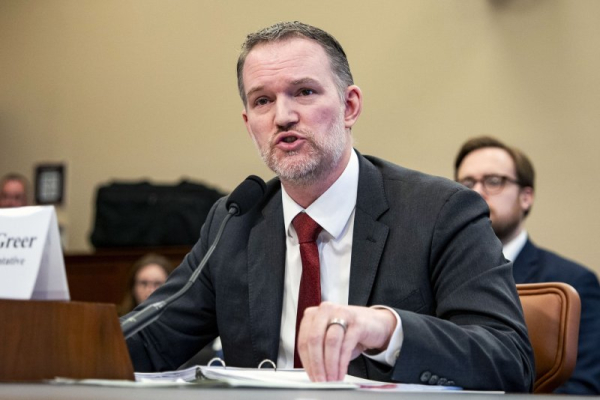
U.S. Trade Representative Jamieson Greer on Thursday announced tariffs of 10% to 12% for nations that have not enforced the United States’ ban on forced labor, which follow months of investigations into 60 nations for not prohibiting the practice. File Photo by Bonnie Cash/UPI | License Photo
The Trump administration announced on Thursday that it will impose increased tariffs on dozens of countries because they permit forced labor.
U.S. Trade Representative Jamieson Greer announced that his office is imposing new tariffs on 60 economies because of their failure to enforce the United States’ prohibition on importing products produced with forced labor, he said in a statement.
The tariffs, which will range from 10% to 12.5%, follow months of investigations into forced labor allegations in the nations, including “consultations” with at least 45 of the countries that were investigated, the USTR’s office said in a fact sheet after it made the announcement.
Jamieson said that he expects the new duties to be effective based on trading partners that “have already moved quickly to adopt forced labor import prohibitions.”
“The United States has had a forced labor import ban for nearly a century, and rigorously enforces it; it’s well past time for our trading partners to do the same,” Greer said in the statement.
“Today’s action will begin to correct what is both a human rights abuse and distortive trade practice to improve the welfare of workers everywhere,” Greer said.
President Donald Trump in March ordered the USTR to investigate the 60 nations for forced labor use based on section 301(b) of the Trade Act of 1974, which authorized the executive branch to enact tariffs against nations using unfair trade practices without Congressional authorization.
The investigations included the top 60 trading partners of the United States, including the European Union, China, Japan, the United Kingdom, Taiwan and Mexico.
The USTR’s office said that trading partners that have made commitments to adopt and enforcement forced labor bans will face a 10% tariff, while partners that have not adopted prohibitions will have a 12.5% tariff.
The office noted in its announcement that there will be exemptions to the new tariffs, which will be based on if those products can be grown or produced in the United States or if the tariff will affect availability or the domestic economy.
This week in Washington
Secretary of Defense Pete Hegseth speaks during a Senate Appropriations Committee hearing on President Donald Trump’s June 24 supplemental funding request at the U.S. Capitol on Tuesday. Photo by Bonnie Cash/UPI | License Photo
